The Little Things That Hold Young Squash Players Back
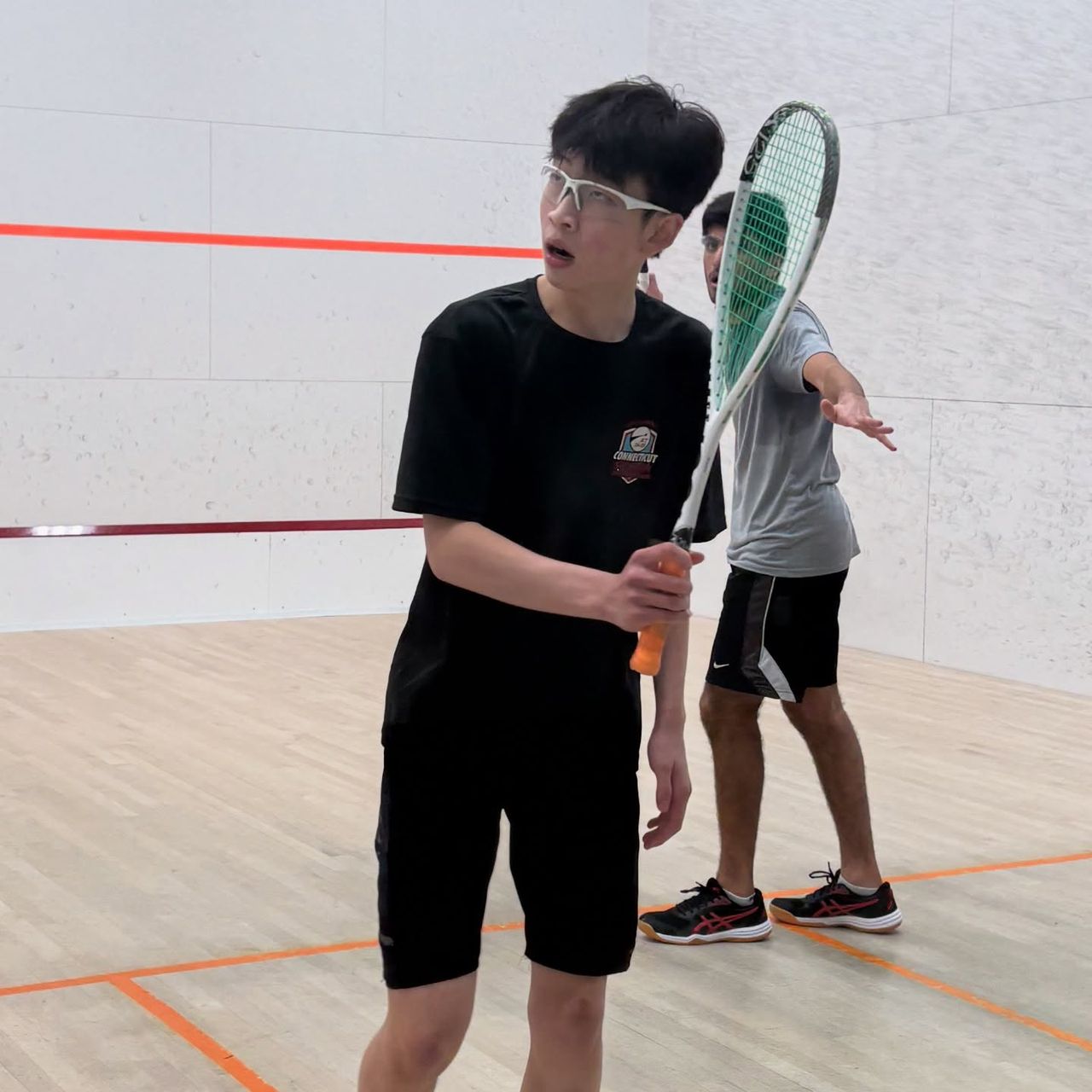
Sometimes the biggest improvement comes from fixing something small.
Ask a young squash player what they need to improve, and you'll often hear the same answers.
Get fitter. Hit harder. Move faster. Win more matches.
And sometimes they're right.
But after years of coaching, I've found that it's often something much smaller that's holding them back.
A player who doesn't recover properly after hitting the ball. Someone who rushes every important point. A youngster who makes one mistake and spends the next three rallies thinking about it.
None of these things seems particularly important on its own. But repeat them hundreds of times, across hundreds of training sessions and matches, and they start to matter quite a lot.
It's Not Always What You Think
One of the interesting things about coaching is how often a player comes to you with a pretty clear idea of what they need to work on.
"I'm not fit enough."
"My backhand isn't good enough."
"I need to get faster."
Fair enough. But sometimes, when you watch them play, the problem is somewhere else entirely.
Take the player who is always late to the ball. They might be convinced they need to improve their speed. But perhaps they're not watching their opponent closely enough, or they're recovering to the wrong position after their own shot.
They don't necessarily need to run faster. They need to start moving earlier.
That's a very different problem, and it requires a very different solution.
The Small Habits That Add Up
We see this sort of thing all the time in junior squash.
A player who loses concentration for a couple of points after making a mistake.
A player who hits a perfectly good shot but doesn't bother recovering properly.
A player who trains hard for two days, disappears for a week, and then wonders why their progress has stalled.
Or the player who is so worried about winning that they stop doing the things they've been practising in training.
None of these habits is particularly dramatic. In fact, that's part of the problem. They're easy to overlook.
And because they're easy to overlook, they can hang around for months or even years.
Meanwhile, everyone is looking for the next big improvement.
Sometimes We Need to Slow Down
Young players, understandably, want to see progress. So do their parents.
They want to move up the rankings, beat players they've previously lost to, and perform well at tournaments.
There's nothing wrong with any of that. Ambition is a good thing.
But improvement doesn't always happen by doing more.
Sometimes it means slowing down long enough to recognise what isn't working.
It might mean spending a session concentrating on your recovery after every shot. Or learning to take a few seconds between rallies instead of rushing straight into the next point.
It might even mean accepting that the shot you love playing isn't always the shot you should be playing.
These aren't necessarily exciting changes. Nobody is going to post a video celebrating their improved recovery position.
But they can make a real difference.
One Thing at a Time
One of the mistakes young players can make is trying to fix everything at once.
They finish a tournament with a list of things they need to improve. Their movement, their fitness, their backhand, their concentration, their serve.
By the following week, they're trying to work on all of them.
That's a lot to ask of anyone, particularly a youngster who is still learning the game.
A better approach is often to identify one thing that is consistently causing problems and give it some proper attention.
Not for five minutes. Not just until the next match.
Long enough for it to become a better habit.
Then move on to the next thing.
A Question Worth Asking Your Coach
Here's something we'd encourage every young player to do at their next training session.
Ask your coach:
"What's one small thing I keep doing that's holding me back?"
You might be surprised by the answer.
It probably won't be the most exciting part of your game, and it might not be what you were expecting.
But if you can identify it, understand it and spend the next couple of weeks working on it, you might find it makes a bigger difference than you imagined.
At Squash Tigers, we're always encouraging our players to work hard, train regularly and set themselves ambitious goals.
But it's worth remembering that improvement isn't always about doing something bigger or harder.
Sometimes it's simply about doing the little things better.
See you on court!
The Squash Tigers Coaching Team