The Danger of Being the Player You Think You Are
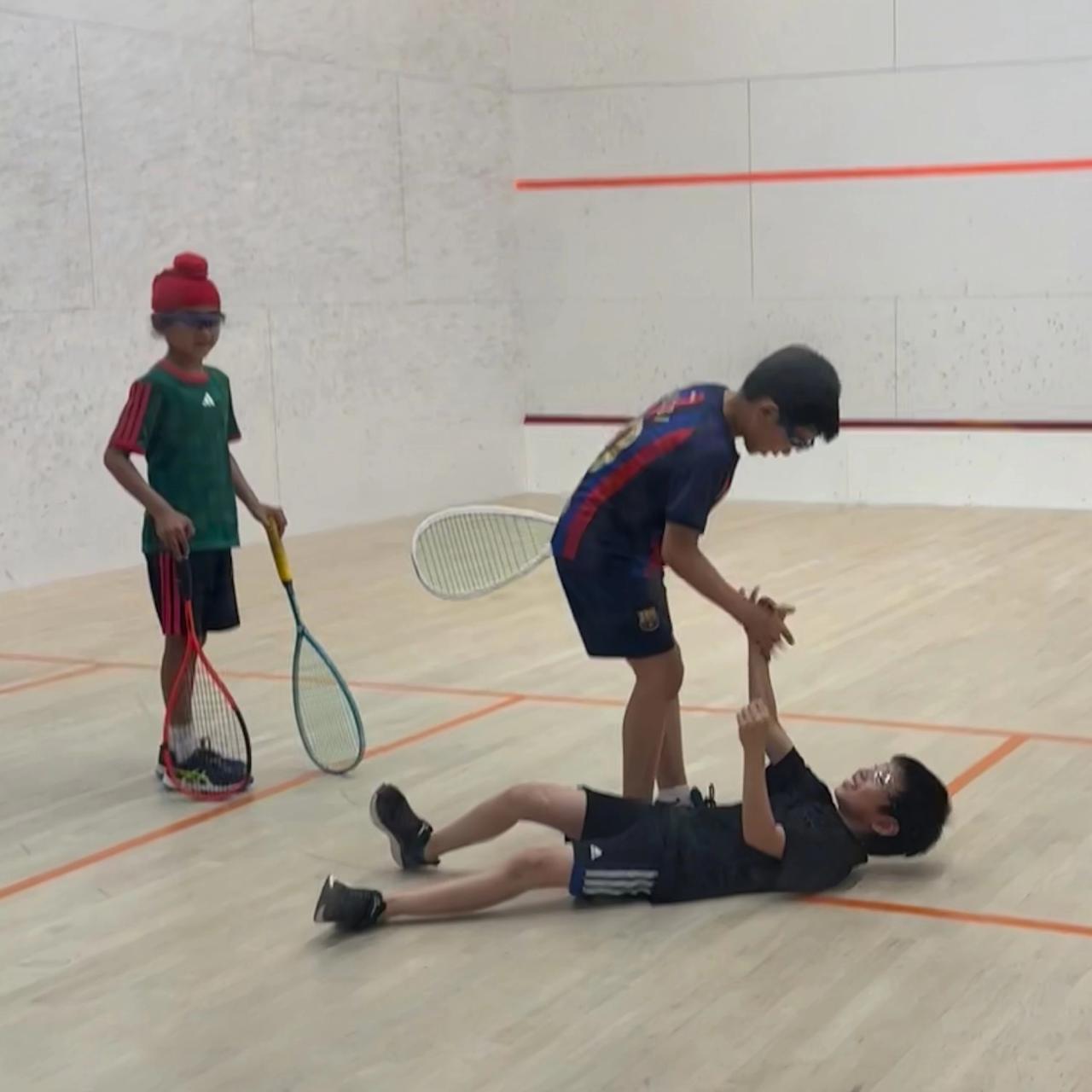
One of the interesting things about coaching young squash players is how quickly they develop an idea of what sort of player they are.
Ask a youngster to describe their game and you'll often get a pretty confident answer.
"I'm an attacking player."
"I'm not very good at the back of the court."
"I'm more of a defensive player."
Sometimes they're right. But sometimes the way they see themselves becomes one of the biggest obstacles to their improvement.
And the longer they've been playing, the harder it can be to change.
When Your Reputation Starts Making Decisions for You
Imagine a young player who's always been known for their attacking squash.
They hit the ball hard, look for winners and enjoy playing at a high tempo. Their parents love watching it, their friends know them for it and perhaps they've had plenty of success playing that way.
But as they get older, the opposition improves. The winners that worked at 12 don't work quite so well at 15.
Their coach starts encouraging them to be more patient, build rallies and wait for better opportunities.
Sounds sensible enough.
Except the player doesn't particularly want to hear it.
They've spent years being the attacking player. Playing patiently feels uncomfortable. It doesn't feel like them.
So they keep going for winners, even when the match is telling them to do something different.
At that point, their identity is starting to make decisions that their squash brain should be making.
Sometimes Getting Better Means Looking Worse
This is something I think we could do a better job of explaining to young athletes.
When you change something in your game, there's a reasonable chance you'll initially become less effective at it.
A technical adjustment might make your swing feel awkward. A tactical change might mean losing matches you previously would have won. Learning to play a different style might leave you feeling completely out of your comfort zone.
None of that necessarily means you're going backwards.
But try explaining that to a 14-year-old who's worried about their ranking!
It's particularly difficult when everyone around them has become accustomed to a certain level of performance.
Parents want to see progress. Players want to win. Coaches want to see the things they've been working on appearing in matches.
The problem is that development doesn't always happen in a straight line.
Sometimes the things that will make you a better player in six months are the very things making you uncomfortable today.
Being Willing to Change Your Mind
I see this in coaching as well.
We all develop opinions about how squash should be played, how youngsters should train and what makes a successful player.
Experience helps us develop those opinions, but it shouldn't make us unwilling to question them.
If a different approach works better, why wouldn't we consider it?
The same applies to players.
Perhaps you've always believed you need to train harder than everyone else. Then you discover that better recovery actually improves your performance.
Perhaps you've always considered yourself a poor mover. Then some technical work and better court awareness completely change that.
Or perhaps you've spent years believing you can't beat a particular opponent, until you finally approach the match differently.
Changing your mind isn't an admission that you were wrong to begin with. It might simply mean you've learned something.
And surely that's the whole point of training?
Don't Get Too Attached to the Player You Are Today
One of the challenges of junior squash is that we're dealing with youngsters who are changing all the time.
They're growing physically, developing emotionally and learning how to deal with competition.
The player who was successful at 11 might need a very different approach at 15.
The youngster who relied on speed might eventually need to develop better racket skills. The player who dominated through power might need to learn patience.
That's normal.
What concerns me is when a young player becomes so attached to their current strengths, weaknesses or reputation that they stop being willing to experiment.
As coaches and parents, we need to give youngsters room to change.
That might mean accepting a few poor performances while they're learning something new. It might mean not getting too excited about early success or too concerned about temporary setbacks.
Most importantly, it means helping them understand that they don't have to remain the player everyone thinks they are.
The player you are today shouldn't get in the way of the player you could become tomorrow.
And sometimes, the biggest improvement you can make has very little to do with hitting a squash ball.